


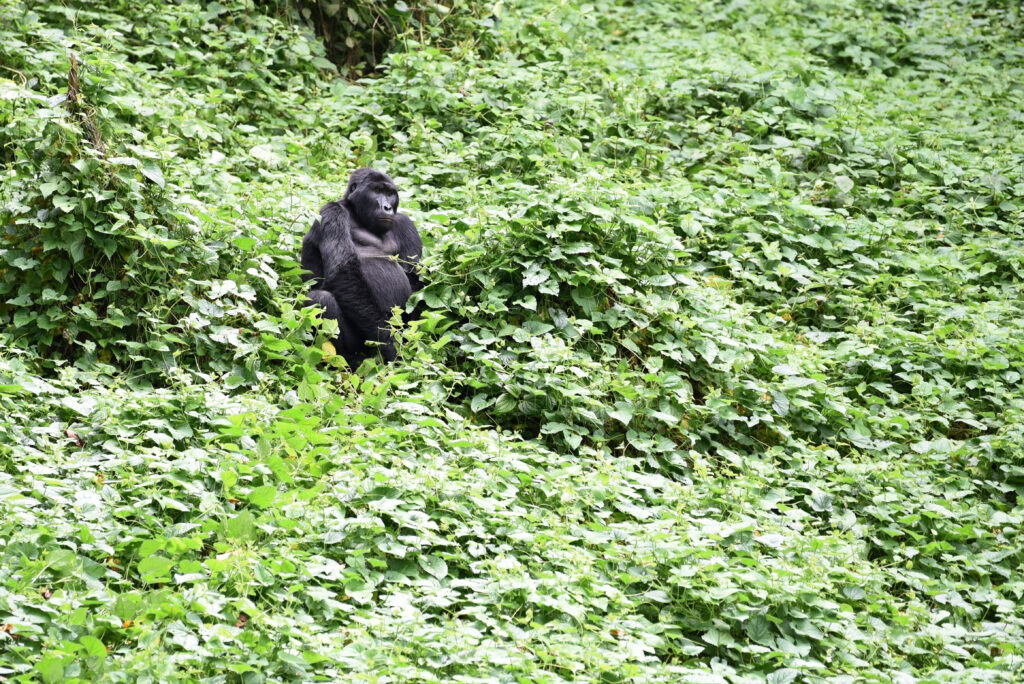
A 3 days gorilla trekking safari in Uganda is an excellent way to experience one of Africa’s most remarkable wildlife encounters without committing to a long holiday. This short adventure takes you into the beautiful mountain forests of southwestern Uganda, where endangered mountain gorillas live in their natural habitat.
With proper planning, three days are enough to travel from Kampala or Entebbe to a gorilla trekking destination, enjoy a guided trek and return. Whether you are travelling alone, as a couple, with friends or as part of a small group, choosing suitable transport is an important part of making the journey comfortable.
At 4×4 car hire Kampala, we understand the importance of reliable transport when exploring Uganda. A suitable 4×4 rental vehicle can make your journey to the gorilla trekking region more convenient, particularly when travelling along long-distance routes and mountain roads.
Why Choose a 3 Days Gorilla Trekking Safari in Uganda?
A three-day gorilla trekking trip is ideal for visitors with limited time who still want to experience Uganda’s famous mountain gorillas.
The safari combines road travel, beautiful scenery, local communities and an unforgettable wildlife experience. You can explore the countryside, enjoy views of Uganda’s rolling hills and spend time in one of the country’s remarkable conservation areas.
Reasons to choose a three-day gorilla trekking safari include:
- Short travel itinerary: Enjoy a gorilla trekking experience within a three-day schedule.
- Unique wildlife encounter: Observe mountain gorillas in their natural forest environment.
- Beautiful scenery: Travel through southwestern Uganda’s highlands and countryside.
- Flexible transport: Choose a suitable rental vehicle or enquire about chauffeur-driven arrangements.
- Memorable adventure: Combine wildlife viewing, photography and cultural experiences.
Where Can You Go for Gorilla Trekking in Uganda?
Uganda has two national parks where visitors can track mountain gorillas: Bwindi Impenetrable National Park and Mgahinga Gorilla National Park.
Bwindi Impenetrable National Park
Bwindi Impenetrable National Park is one of Uganda’s leading gorilla trekking destinations. It is home to several habituated mountain gorilla families that visitors can track with authorised guides.
The park has four main trekking sectors:
- Buhoma: Located in the northern part of Bwindi.
- Ruhija: Found in the eastern part of the forest.
- Rushaga: Located in the southern section and known for several habituated gorilla groups.
- Nkuringo: A scenic trekking area in southwestern Bwindi.
Your accommodation and transport arrangements should be planned around the specific sector where your gorilla permit is booked.
Mgahinga Gorilla National Park
Mgahinga Gorilla National Park is another excellent destination for mountain gorilla trekking. Located in southwestern Uganda near the borders with Rwanda and the Democratic Republic of Congo, the park forms part of the wider Virunga conservation landscape.
It offers beautiful volcanic mountain scenery and an opportunity to encounter mountain gorillas in a protected natural environment.
3 Days Gorilla Trekking Itinerary
A well-organised itinerary helps you make the most of your three days. The following is a suggested plan for travellers departing from Kampala or Entebbe.
Day 1: Travel from Kampala or Entebbe to Bwindi or Mgahinga
Your adventure begins with an early departure from Kampala or Entebbe. Travel southwest through Uganda’s countryside towards the gorilla trekking region.
Depending on your chosen destination, the journey may take several hours. You can enjoy scenic views, stop for refreshments and have lunch along the way.
For travellers visiting Bwindi, the final destination will depend on the trekking sector indicated on the gorilla permit. Visitors heading to Mgahinga will continue towards the Kisoro area.
After arriving, check into your accommodation, relax and prepare for the following day’s gorilla trekking activity.
Transport tip: Consider hiring a suitable 4×4 vehicle for this journey. A Toyota RAV4 may be appropriate for some routes and conditions, while a Toyota Prado or another capable 4×4 may be worth considering depending on road conditions, luggage and passenger numbers. Confirm vehicle suitability before booking.
Day 2: Mountain Gorilla Trekking Experience
Day 2 is the highlight of your three-day Uganda gorilla trekking safari.
After an early breakfast, proceed to the relevant park headquarters for registration and a briefing by the Uganda Wildlife Authority’s guides and rangers.
During the briefing, you will receive information about gorilla trekking rules, safety precautions and responsible wildlife viewing.
You will then be assigned to a gorilla family and begin walking through the forest with authorised guides. The trek can take several hours depending on the location and movement of the gorillas.
When the mountain gorillas are located, visitors are generally allowed a maximum of one hour observing them, subject to the applicable park rules and guidance from the rangers.
You may have the opportunity to see:
- Adult mountain gorillas feeding and resting.
- Young gorillas playing in the forest.
- Silverbacks protecting and watching over their families.
- Mother gorillas caring for their young.
- Other forest wildlife and bird species.
After the trek, return to your accommodation and enjoy a relaxing evening.
Day 3: Return Journey to Kampala or Entebbe
After breakfast, begin your return journey to Kampala or Entebbe.
Depending on your schedule, you may make selected stops for refreshments, photography or sightseeing along the route.
A three-day safari provides a rewarding opportunity to experience Uganda’s mountain gorillas while keeping your overall travel schedule relatively short.
Best Vehicles for a 3 Days Gorilla Trekking Trip
Choosing the right vehicle is an important part of planning a gorilla trekking safari. The journey involves long-distance travel and may include uneven roads, steep sections and changing weather conditions.
At 4×4 car hire Kampala, travellers can enquire about suitable vehicle rental arrangements for trips to Uganda’s gorilla trekking destinations.
A Toyota RAV4 may be a practical option for couples, solo travellers and small groups carrying limited luggage. Its size can make it convenient for general road travel, although suitability depends on the route and prevailing road conditions.
A Toyota Prado may be suitable for travellers seeking additional space and a capable 4×4 option. It can be considered for longer journeys, family travel and trips involving more luggage.
For visitors travelling in larger groups or seeking a dedicated safari-style vehicle, a Land Cruiser may be worth considering. Confirm passenger capacity, luggage space and vehicle specifications before making a booking.
Chauffeur-Driven 4×4 Rental
Visitors who prefer not to drive themselves can enquire about chauffeur-driven transport. Having an experienced driver can make the journey easier, particularly for international visitors unfamiliar with Uganda’s roads.
How Much Does a 3 Days Gorilla Trekking Safari Cost?
The cost of a three-day gorilla trekking safari in Uganda depends on several factors. There is no single price for every traveller because accommodation, transport, permits and travel preferences differ.
Important cost considerations include:
- Gorilla trekking permit: The permit is essential for participating in an authorised gorilla trek. Fees depend on the applicable Uganda Wildlife Authority tariff and visitor category.
- Car rental: The vehicle type, rental duration and agreed travel arrangements influence the transport cost.
- Fuel: Fuel expenses depend on the route, vehicle and overall distance travelled.
- Accommodation: Lodges and guesthouses around Bwindi and Mgahinga offer different comfort levels and prices.
- Meals: Food arrangements may be included in accommodation packages or paid for separately.
- Driver services: Chauffeur-driven arrangements may involve additional charges.
- Other expenses: Personal purchases, tips and optional activities can affect the total budget.
For accurate planning, confirm the latest gorilla permit fees, accommodation rates and rental terms before travelling.
Best Time for 3 Days Gorilla Trekking in Uganda
Gorilla trekking is available throughout the year, but weather conditions can influence the experience.
Uganda generally has two relatively drier periods:
- June to September: Often preferred for outdoor activities and safari travel.
- December to February: Another commonly preferred period for visiting Uganda’s national parks.
The wetter periods generally include March to May and October to November. Forest trails can become muddy and slippery, so suitable footwear and appropriate clothing are important.
Gorilla trekking can still take place during rainy months, but visitors should prepare for changing conditions.
What to Pack for a 3 Days Gorilla Trekking Safari
Proper preparation helps make your trekking experience more comfortable.
Consider packing the following:
- Waterproof hiking boots with good grip.
- Long trousers and long-sleeved shirts.
- Lightweight rain jacket.
- Gardening gloves for holding vegetation.
- Drinking water.
- Snacks for the trek.
- Insect repellent.
- Sunscreen and a hat.
- Camera or smartphone.
- Small backpack.
- Personal medication and basic toiletries.
A walking stick may also be useful on steep or muddy trails. Follow your guide’s instructions throughout the trek.
Gorilla Trekking Rules and Requirements
Mountain gorillas are endangered animals, and responsible tourism helps protect them and their natural habitat.
Visitors must follow the rules provided by park authorities and their guides. Important considerations include:
- Obtain a valid gorilla trekking permit before the activity.
- Follow the instructions of park rangers and guides.
- Maintain the required distance from gorillas.
- Do not feed or touch the gorillas.
- Avoid loud noises and sudden movements.
- Do not trek when sick, as human illnesses can affect gorillas.
- Follow photography rules and avoid using flash.
- Respect the maximum viewing time and all park regulations.
The minimum age for gorilla trekking in Uganda is generally 15 years. Confirm current requirements when booking.
Tips for Planning a Successful 3 Days Gorilla Trekking Trip
A little preparation can make a significant difference to your safari.
Book your gorilla permit early: Permits are limited, and availability can be especially competitive during popular travel periods. Confirm your permit before finalising the itinerary.
Choose the correct trekking sector: Bwindi has four main sectors, and your accommodation and transport arrangements should match your permit location.
Plan your departure time: Leaving Kampala or Entebbe early helps you make better use of the first day.
Choose suitable transport: A reliable vehicle with appropriate ground clearance and 4×4 capability can be useful on some routes.
Prepare physically: Gorilla trekking involves walking through forest terrain, which can include steep and muddy sections.
Allow for changing conditions: Weather and gorilla movements can affect trekking duration. Avoid scheduling important activities too close to your expected return time.
Book a 4×4 Car Rental for Your Gorilla Trekking Safari
Reliable transport is an important part of a successful three-day gorilla trekking adventure. Whether you are travelling from Kampala, Entebbe or another part of Uganda, selecting a suitable rental vehicle helps you organise your journey to Bwindi or Mgahinga.
At 4×4 car hire Kampala, you can enquire about 4×4 car rental options for gorilla trekking, wildlife safaris, road trips and other travel activities across Uganda.
Whether you need a Toyota RAV4, Toyota Prado, safari Land Cruiser or chauffeur-driven vehicle, discuss your travel route, passenger numbers, luggage and preferred rental arrangements before booking.
Contact 4×4 car hire Kampala to enquire about a suitable vehicle for your 3 days gorilla trekking safari in Uganda and start planning an unforgettable wildlife adventure.
Frequently Asked Questions About 3 Days Gorilla Trekking
1. Is three days enough for gorilla trekking in Uganda?
Yes. Three days can be enough for a gorilla trekking trip from Kampala or Entebbe. A typical itinerary includes travelling to the gorilla trekking region on the first day, tracking gorillas on the second day and returning on the third day.
2. Where is the best place for gorilla trekking in Uganda?
Bwindi Impenetrable National Park and Mgahinga Gorilla National Park are Uganda’s two mountain gorilla trekking destinations. The best choice depends on permit availability, preferred trekking location and travel arrangements.
3. How long does gorilla trekking take?
The time required varies depending on where the assigned gorilla family is located. The trek may take several hours, and visitors are generally allowed a maximum of one hour with the gorillas after finding them.
4. Can I hire a 4×4 car for a gorilla trekking safari?
Yes. You can enquire about hiring a suitable 4×4 vehicle for travel to Bwindi or Mgahinga. Vehicle choice should consider road conditions, passenger numbers and luggage requirements.
5. Is self-drive possible for a three-day gorilla trekking trip?
Self-drive travel is possible, provided you have the appropriate driving documents, understand the route and select a suitable vehicle. Travellers unfamiliar with Uganda’s roads may prefer to enquire about a chauffeur-driven option.
6. What is the minimum age for gorilla trekking in Uganda?
The general minimum age is 15 years. Visitors should confirm the current age requirements and permit conditions with the relevant park authorities before booking.
7. Can I combine gorilla trekking with other activities in three days?
A three-day itinerary is relatively short, so gorilla trekking should remain the main activity. Depending on your location and schedule, you may include selected sightseeing or cultural experiences, but additional activities should not compromise your trekking and return journey.
8. When should I book my gorilla trekking permit?
It is advisable to book well in advance, particularly for popular travel periods. Confirm permit availability for your preferred park and trekking sector before arranging accommodation and transport.